

“China sits at the centre of our long-term growth strategy”
Dersenish Aresandiran was appointed the Chief Commercial Officer of Airlines Business for Malaysia Aviation Group (MAG) in July 2023. He previously served as the Global Head of Revenue Management & Commercial Planning of Malaysia Airlines from March 2018 to July 2021, where the airline achieved record-breaking results for the 2019 commercial year. Mr Dersenish is a highly accomplished aviation professional with extensive experience working with both the world’s best premium carriers and low-cost carriers, where he excelled in revenue management and commercial strategy, contributing to the success of various airlines. Malaysia Airlines is an Official Partner Airline of ITB China this year, and we caught up with with Mr Dersenish to discuss the company’s goals and strategies for China.
Malyasia Airlines is an Official Partner Airline of ITB China this year. Why is this partnership strategic for you?
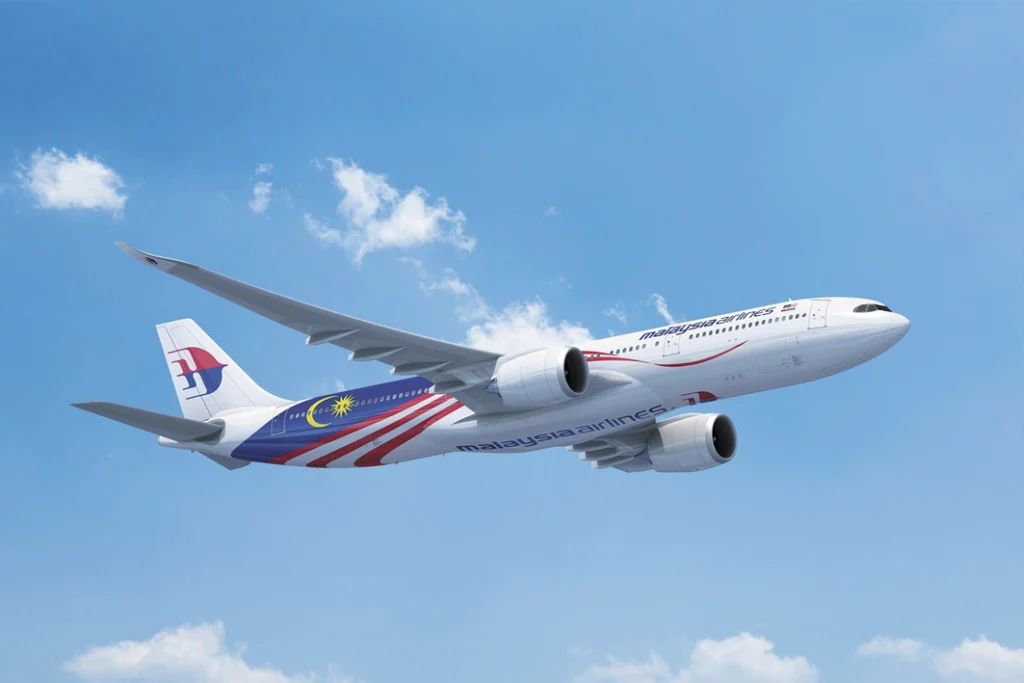
ITB China brings together the partners who directly shape demand in this market—travel agents, wholesalers, OTAs, corporate buyers and MICE planners. China sits at the centre of our long-term growth strategy, and this year comes at a pivotal moment for us. Following the resumption of services to Chengdu in January 2026 and the upcoming launches of Shenzhen and Changsha in July 2026, we are expanding in mainland China in a very purposeful way. So for us, this partnership is not just about visibility; it is about turning network growth into deeper trade relationships, stronger sales distribution and more business flows between China, Malaysia and the wider region through Kuala Lumpur.
How important is the Chinese market for MAG?
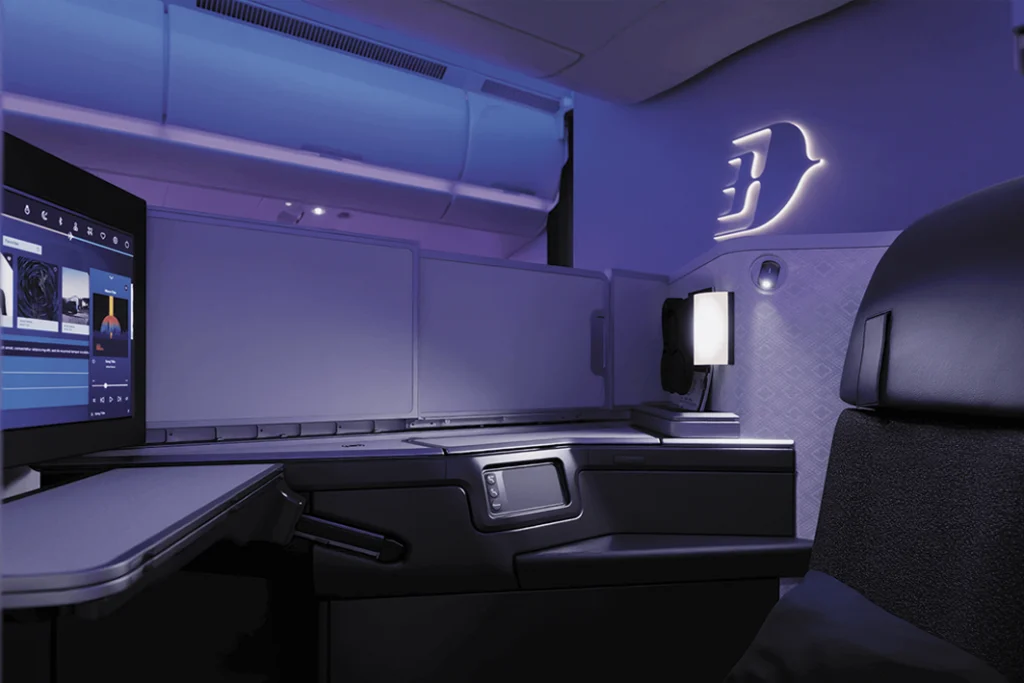
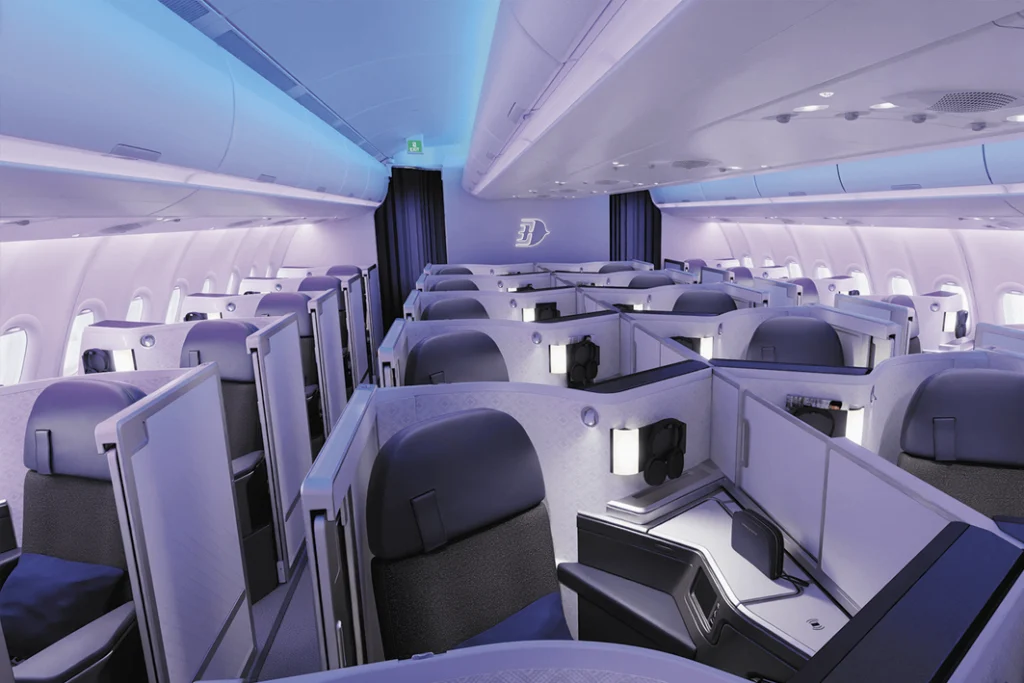
China is one of our most important international markets, both today and for the future, and it will be a key focus area for our growth in 2026 across both leisure and corporate travel. With Shenzhen and Changsha scheduled to join the network, China is set to become our second-largest international market by number of destinations, with nine gateways and up to 74 weekly flights. The market is also delivering strong underlying demand, with Q1 2026 load factors at 85% and continued strength in premium segments.
For us, this is not only about volume, but about building relevance across different traveller segments, particularly corporate customers, where we see strong long-term potential. That is also where offerings such as MHcorporate become increasingly important, as they allow us to serve business travellers and corporate accounts with greater flexibility and value.
We see strong long-term potential in Chinese cities beyond the traditional gateways
Are there any new destinations or routes you are planning to add to or develop in the near future?
Our immediate focus is the successful launch of daily services to Shenzhen from 1 July 2026 and Changsha from 8 July 2026, following the resumption of Chengdu earlier this year. Together, these launches reflect a broader strategy to grow selectively in high-potential Chinese markets, including underserved second- and third-tier cities where outbound demand is rising and direct international connectivity can still be limited.
Shenzhen is especially important because it strengthens our footprint in the Greater Bay Area alongside Guangzhou and Hong Kong, giving customers in the region up to four daily departure options while deepening our access to one of China’s most dynamic hubs for trade, technology and corporate travel. Changsha is equally strategic for our entry into Central China—an underserved but fast-growing market with rising demand across leisure, trade and family travel.
Looking ahead, we see strong long-term potential in Chinese cities beyond the traditional gateways, and that is an area we will continue to assess carefully as we expand our presence in China.
What are the challenges air travel will face in the next few years? How is MAG preparing to overcome these obstacles?
One of the biggest challenges the industry will continue to face is a more uncertain global operating environment, particularly as regional geopolitical instability can affect the broader travel landscape, from airspace dynamics to fuel prices and overall planning confidence. In that context, customers are placing an even greater premium on predictability, safety and efficiency. That is exactly where we are focused—strengthening our network, planning carefully for long-term growth, and building operational resilience so that we can continue to deliver reliable service in a changing environment.
For Chinese travellers and trade partners in particular, the value of a safe, efficient and well-connected hub becomes even more important during periods of uncertainty. That is where Kuala Lumpur plays a very strong role, and why Malaysia Airlines continues to position itself as the Gateway to Asia and Beyond — offering dependable access to Malaysia, ASEAN and a wider international network through a hub that is both strategically located and operationally efficient.
Stand L27
中国是我们长期增长战略的核心市场
2023年7月,德森·亚历桑迪兰(Dersenish Aresandiran)正式出任马来西亚航空集团(MAG)航空事业部首席商务官。此前,他曾担任马来西亚国际航空全球收益管理与商务规划负责人,并在2019财年取得创纪录业绩。 德森是一位成就卓越的航空专业人士,曾任职于多家全球顶尖的全服务航空公司及低成本航空公司。任职期间在企业收益管理和商业战略领域表现出色,为多家航空公司的业绩增长作出了重要贡献。本届ITB China,马来西亚国际航空作为官方合作航空公司亮相。借此契机,ITB China News专访德森先生,围绕中国市场的发展战略与未来布局展开深入交流。
问:作为ITB China的官方航空公司合作伙伴,此次合作对您而言具有怎样的战略意义?
答:对马来西亚航空集团而言,ITB China具有重要的战略意义,因为这一平台汇聚了直接影响市场需求的核心合作伙伴——旅行社、批发商、在线旅游平台、企业客户及会奖旅游策划方。中国是我们长期增长战略的核心市场,而2026年正是深化布局的关键一年。随着2026年1月成都航线恢复运营,以及7月深圳和长沙航线即将开通,我们正以更加有序且聚焦的方式持续拓展中国市场。因此,这一合作不仅意味着品牌层面的曝光,更重要的是借助这一平台,将航线网络的增长转化为更紧密的业界合作关系、更完善的销售分销体系,并通过吉隆坡枢纽带动中国、马来西亚及更广泛区域之间更强劲的业务往来。
问:中国市场对马来西亚航空集团而言有多重要?
答:中国是我们当前及未来最重要的国际市场之一,也是马航2026年在休闲旅游与商务出行领域重点深耕的核心市场。随着深圳和长沙航点的加入,中国将成为我们按航点数量计算的第二大国际市场,覆盖9个航点、每周多达74班航班。与此同时,市场需求表现强劲,2026年第一季度平均客座率达到85%,高端客群持续保持增长。
对我们而言,中国市场的重要性不仅体现在规模上,更在于持续提升在不同旅客群体中的相关性与吸引力,尤其是在企业客户领域,我们看到了显著的长期潜力。也突显了MHcorporate等产品的重要性,使我们能够以更高的灵活性和更完善的价值体系服务商务旅客及企业客户。
“我们持续看好传统门户城市之外,更多中国城市的长期发展潜力。”
问:贵司近期是否计划新增或拓展新的目的地及航线?
答:当前阶段,我们的重点是在今年早些时候恢复成都航线的基础上,顺利推进深圳(2026年7月1日)及长沙(2026年7月8日)新航线的开通。这一系列布局体现了我们在中国高潜力市场中有序推进、择优拓展的整体战略,尤其聚焦于出境需求持续增长、但国际直航联通仍有提升空间的二、三线城市。
深圳具有尤为重要的战略意义。随着深圳航线的加入,结合广州及香港现有航点,我们将在粤港澳大湾区为旅客提供每日多达4班航班选择,进一步强化在中国最具活力的贸易、科技及商务出行枢纽的网络布局。长沙同样是我们拓展中国市场版图中的重要一步,作为进入中国中部市场的重要门户,该区域虽长期被低估,但在休闲、商务及家庭出行方面均展现出快速增长的需求潜力。
展望未来,我们持续看好传统门户城市之外,更多中国城市所具备的长期发展潜力。马航将继续以审慎且聚焦商业价值的方式推进在华拓展,并对潜在新航点和航线机会进行持续评估。
问:未来几年航空旅行将面临哪些挑战?马来西亚航空集团将如何应对?
答:未来几年,全球航空业仍将持续面临更加复杂且不确定的运营环境,尤其是地缘政治因素对航线运行、燃油价格及市场信心的影响。在此背景下,客户对出行的稳定性、安全性及运营效率提出更高要求。对此,我们将持续增强航线网络韧性,审慎推进长期发展规划,并提升运营稳定性与应变能力,以确保在外部环境变化中持续提供安全、可靠的出行服务。
对中国旅客及行业合作伙伴而言,在不确定性增强的环境中,一个安全、高效且联通广泛的枢纽尤为关键。吉隆坡正发挥着重要作用,这也是马来西亚国际航空持续将自身定位为“通往亚洲及更广阔市场的重要门户”的原因所在,通过高效枢纽网络为旅客提供通达马来西亚、东南亚及全球市场的稳定连接。
展位号: L27
Photos: © MAG
